

September 23, 2026
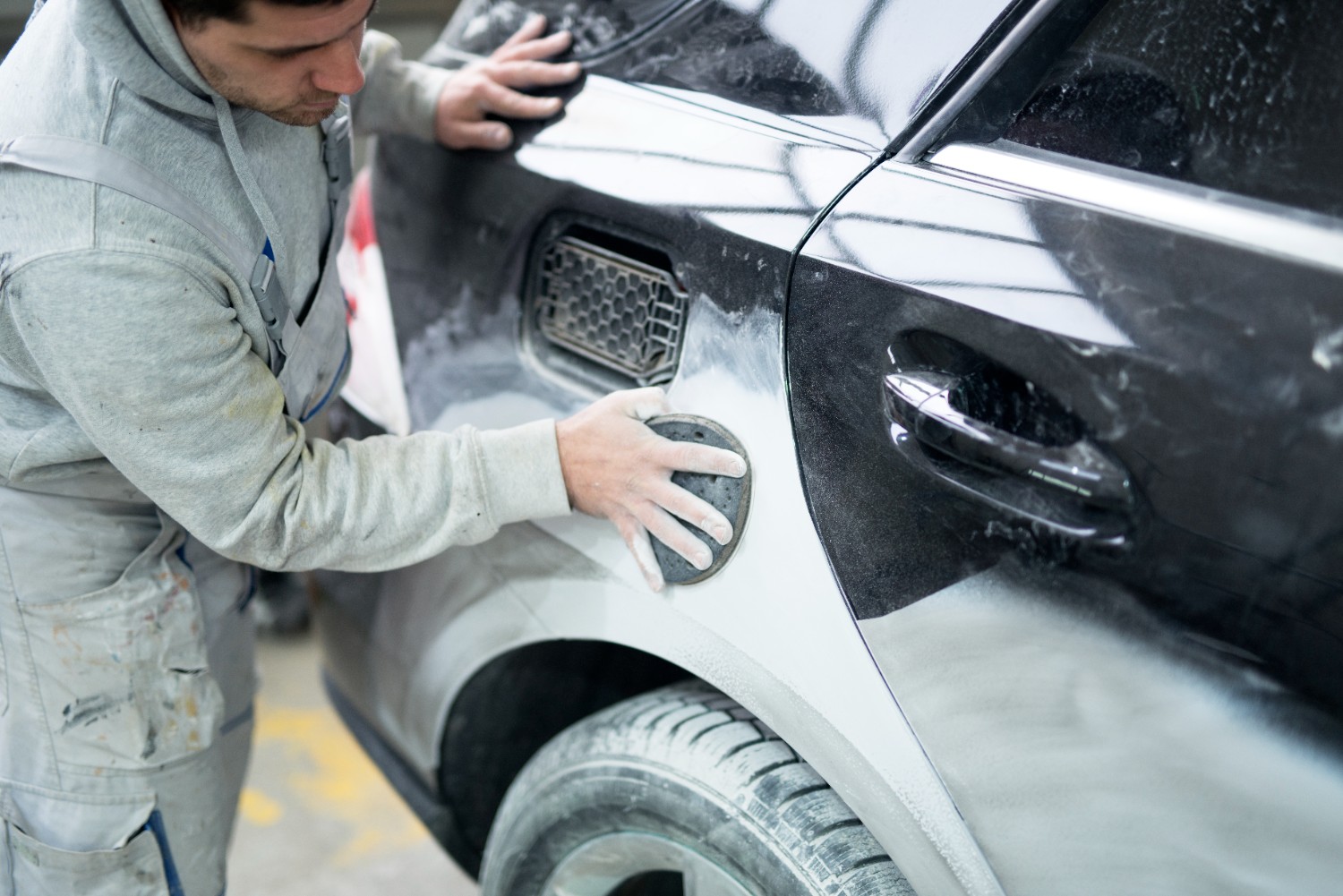
When a vehicle has a dented door, crushed guard, deep crease or collision-damaged panel, the visible damage is only part of the repair equation. The condition of the panel, how far it has been pushed out of shape and whether surrounding areas have also been affected all influence the work required. For drivers searching for panel beaters near me, understanding how panel repairs are carried out can make it easier to recognise what a proper repair involves.
Panel beating is a specialised form of vehicle body repair that focuses on restoring damaged panels and returning their shape and finish. Depending on the condition of the vehicle, the process can involve reshaping metal, repairing damaged areas, preparing surfaces and refinishing the repaired section.
For vehicle owners in Christchurch, Rosiez Collision Repairs provides panel beating and collision repair services. Its Sydenham workshop is located at 71 Byron Street, Sydenham, Christchurch, and its panel beating service covers the repair and restoration of damaged vehicle body panels.
So, what is a panel beater? A panel beater is a vehicle body repair specialist who works on damaged panels following impacts, collisions and other forms of bodywork damage.
The job involves much more than simply removing a dent. A panel beater examines the damaged area and determines how the panel has been affected. The repair may then involve carefully reshaping the panel, repairing damaged sections and preparing the surface for finishing.
For example, an impact can push a panel inward while also creating a crease around the affected area. Simply pushing the panel back into position may not be enough to restore its original contours. The surrounding shape, edges and joins may also need to be considered.
This is why professional panel repair begins with assessing the damage rather than immediately applying a repair technique. Different damage requires different approaches, and the condition of the panel determines what can reasonably be restored.
Not all dents are the same. Two vehicles can have damage that looks similar at first glance but require very different repair processes.
A shallow dent may affect the surface of a panel without significantly changing its overall structure. The repair approach can depend on the size, location and accessibility of the damaged area.
A deeper impact can stretch or distort the panel material. Creases can also create sharper changes in the panel's shape, making the repair more involved than a simple shallow indentation.
More substantial impacts can alter the shape of a panel across a larger area. In these situations, the repairer needs to assess how the damage has affected the panel and surrounding areas before determining the appropriate method.
Damage close to doors, guards, bonnet edges, boot areas or other joins can require particular attention because the repaired panel needs to sit correctly in relation to neighbouring components.
Understanding these differences explains why there is no single method for every panel repair. The repair process should be based on the actual condition of the vehicle.
A common misconception is that panel beating simply involves knocking dents out of metal. In reality, modern panel beating services can involve several stages designed to restore both the shape and finish of damaged bodywork.
The process generally begins with an assessment of the affected area. The repairer needs to understand the location and extent of the damage before deciding how to approach it.
The damaged panel can then be prepared for repair. Depending on the circumstances, this may involve gaining access to the affected area or removing the panel where necessary.
The next stage focuses on restoring the shape of the damaged section. This can involve repairing dents and creases and reshaping areas that have been distorted by an impact.
Some repairs may also require welding or bonding. The appropriate technique depends on the nature of the damage and the condition of the vehicle.
Once the panel has been restored, surface preparation becomes important. Any repaired area may need to be prepared before painting and finishing work is carried out.
Rosiez Collision Repairs describes its panel beating service as including reshaping, repairing and refinishing damaged body panels, with welding or bonding used where necessary.
A vehicle can sometimes look as though it has suffered a single, isolated dent when the actual damage is more extensive.
For example, an impact to a door can affect the surrounding panel alignment or create distortion that is not immediately obvious. A collision can also transfer force beyond the point where the vehicle has visible damage.
This does not mean every dent indicates extensive underlying damage. Rather, it shows why an assessment is useful before deciding what repair is required.
A proper inspection allows the repairer to consider:
• The depth of the damage
• The shape and size of the affected area
• The location of the panel
• The condition of surrounding sections
• Whether the panel can be reshaped
• Whether additional repair techniques are required
• The preparation needed before refinishing
This assessment helps prevent the repair process from being based solely on what is visible from a distance.
A damaged panel does not necessarily become more difficult to repair simply because it has a dent, but leaving vehicle damage unassessed can make it harder to understand what condition the panel is actually in.
Prompt assessment is particularly relevant when the damage affects the way a door, bonnet, boot or other component opens, closes or aligns.
It is also worth having collision-related damage examined when there are visible creases, significantly distorted panels or damage extending across multiple areas.
Minor cosmetic damage may appear straightforward, but the appropriate repair method still depends on the panel itself. An assessment can determine whether the affected section is suitable for reshaping or whether another repair approach is more appropriate.
People searching how long do panel beaters take will often find that there is no universal answer. Repair time depends on the work required for the individual vehicle.
A small dent and a heavily distorted panel cannot be treated as identical repairs. The repair timeframe can be influenced by:
• The size and depth of the damage
• The location of the affected panel
• How much reshaping is required
• The condition of the panel
• Whether welding or bonding is necessary
• Surface preparation requirements
• Painting and finishing work
The finishing stage is also important. Restoring the shape of a panel is only one part of completing the repair. The repaired surface may need preparation and refinishing before the vehicle is ready to return to normal use.
For this reason, an accurate timeframe is best determined after the vehicle has been inspected. A general estimate without seeing the damage may not reflect the actual work involved.
Not every damaged panel can be treated in exactly the same way. The condition of the material and extent of distortion influence whether reshaping is appropriate.
Where a panel can be restored, reshaping may form the main part of the repair. Where the damage is more complex, additional techniques may be required.
Welding or bonding can be used where appropriate as part of certain repairs. The choice depends on the damaged area and the repair requirements rather than following one method for every vehicle.
This is another reason why searching for car panel beaters near me should not be based solely on whether a workshop advertises dent repair. It is useful to understand whether the repairer provides broader panel beating capabilities that cover different types of bodywork damage.
Restoring the shape of a damaged panel is only part of producing a finished repair.
Once the bodywork has been corrected, the surface may require preparation before painting. This stage helps address the transition between the repaired area and the surrounding finish.
Painting and finishing therefore form an important part of the overall repair process. A panel that has been reshaped correctly can still require further work before its appearance is consistent with the rest of the vehicle.
This is particularly relevant where the damage has affected both the panel and its painted surface. Treating the bodywork and finish as separate concerns can help explain why a repair involves several stages rather than one simple action.
The work carried out by panel beaters in NZ has changed alongside vehicle design. Modern vehicles can incorporate different materials, body shapes and construction methods, meaning panel damage should be assessed according to the vehicle involved.
This makes a repairer's ability to assess the specific damage particularly important. A technique that may be suitable for one type of panel or vehicle may not necessarily be appropriate for another.
For vehicle owners, this reinforces the value of discussing the actual damage with a panel repair specialist rather than assuming that every dent, crease or collision mark can be repaired in exactly the same way.
People searching how much do panel beaters charge are often trying to understand what may be involved in repairing damaged vehicle bodywork. However, panel repairs can vary considerably because no two damaged panels are necessarily in the same condition.
The extent and location of the damage, the condition of the panel, the repair technique required and the amount of preparation and finishing work can all influence the overall scope of the job. A shallow dent, for example, can require a different approach from a deeply creased or distorted panel.
Rather than judging the repair based only on the visible size of a dent, it is more useful to consider what has happened to the panel itself. An assessment can help identify the condition of the damaged area and establish which repair stages may be needed to restore its shape and finish.
This is why an individual vehicle assessment is important when discussing panel repair. It provides a clearer understanding of the work involved without assuming that every damaged panel requires the same process.
Understanding how panel beating works can help vehicle owners make sense of the repair process after a dent, impact or collision. Damage can vary considerably in its depth, location and severity, so the appropriate repair method needs to be based on the actual condition of the affected panel rather than its appearance alone.
Depending on the damage, panel repair may involve reshaping distorted metal, repairing dents and creases, preparing the surface and completing painting and finishing work, while more involved repairs may require welding or bonding. For drivers searching for panel beaters Christchurch, having the vehicle properly assessed is an important starting point because it allows the repairer to identify the extent of the damage, explain the work required and provide a more realistic indication of the repair process and timeframe.
Rosiez Collision Repairs provides panel beating as part of its vehicle collision repair services, with its panel beating work covering the reshaping, repairing and refinishing of damaged body panels. If you are searching for panel beaters near me and would like to discuss your vehicle's panel repair requirements, Contact Rosiez Collision Repairs to learn more about its panel beating services and the appropriate next steps for your vehicle.


.png)





.png)
.jpg)


.png)

.png)
.png)
.png)
.png)


